Data Catalog
A data catalog maintains an inventory of data assets through the discovery, description, and organization of datasets. The catalog provides context to enable data analysts, data scientists, data stewards, and other data consumers to find and understand a relevant dataset for the purpose of extracting business value.
Data Governance
Data Governance is a collection of practices and processes which help to ensure the formal management of data assets within an organization. Data Governance often includes other concepts such as Data Catalog, Data Quality, and others to help an enterprise gain better control over its data assets.
Data Lineage
The ability to perform impact analysis and root-cause analysis, by tracing lineage backward (to find all data that influenced the current data) or forwards (to identify all other data that is impacted by the current data) from a given data item.
Data Quality
Metadata Management
The unified metadata foundation is the key factor to drive successful data-driven digital transformation initiatives with intelligence and automation.
Metadata and Lineage discovery
Databases, cloud data warehouses, and cloud data lakes
- Complex enterprise applications in a version control system such as Github, Bitbucket
The local file system
Import data lineage into your data catalog
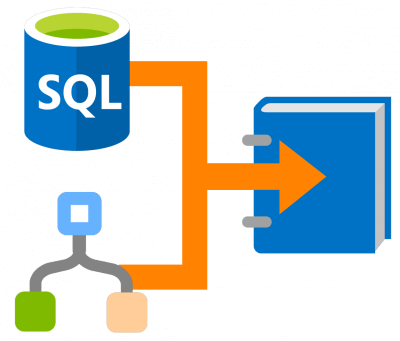
After discover, scan, and extract metadata and data lineage from the relational databases and SQL script, The result of the metadata is in Microsoft Excel spreadsheets, or file formats such as XML, JSON, and CSV files that can be directly loaded into the Data Catalog without requiring any additional custom modeling or programming.
Visualize metadata in the data catalog
Within the interactive graph visualization interface, you know where the data came from, what transformations it underwent along the way, and what other data items are derived from this data value.