
よく寄せられる質問への回答 Gudu SQLFlow — 何をするのか、どのようにデータを扱うのか、エディションと 価格設定SQLの入力方法とデータリネージの出力方法、そしてアカウントの管理方法について説明します。
SQLFlowは初めてですか? クエリを貼り付けて 無料オンラインビジュアライザー そして、その列レベルの系譜が表示されるのを観察できます。公開されている例を見るのに登録は不要です。
SQLFlowについて
Gudu SQLFlowとは何ですか?
Gudu SQLFlow は自動化された SQLデータリネージツールSQL(クエリ、ストアドプロシージャ、dbtプロジェクト、またはデータベース全体)を入力すると、対話型の 列レベルのデータリネージ データの出所と移動先を正確に示す図です。SQLコードの静的解析に基づいて動作するため、データへのアクセスは一切必要ありません。
列レベルのデータリネージとは何ですか?
テーブルレベルの系譜は、あるテーブルが別のテーブルから構築されたことを示しています。 列レベルの系統 この機能を使えば、出力列ごとに、その列の元となる正確なソース列と、その過程で行われた関数、結合、集合演算などをすべて把握できます。このような詳細な情報こそが、影響分析や監査の回答を、おおよそのものではなく、より正確なものにするのです。
間接的(影響)系譜とは何ですか?
で使用される列 どこ 条項、 参加する 状態、または グループ分け 出力には直接反映されませんが、結果に大きな影響を与えます。SQLFlow では、この影響を切り替え可能な個別の関係タイプ (間接的なデータ系列) としてモデル化しているため、純粋なデータフローと影響範囲全体を確認できます。ほとんどのデータ系列ツールはこの区別をしていませんが、これはまさに影響分析に必要な機能です。
SQLFlowはどのSQL方言をサポートしていますか?
Snowflake、BigQuery、Redshift、Databricks、Azure SQL、Athena、Oracle、SQL Server、PostgreSQL、MySQL、IBM Db2、Teradata、Netezza、Greenplum、Vertica、SAP HANA、Hive、Impala、Spark SQL、Presto、Trino、ClickHouse、DuckDBなど、39種類のデータソースに対応しており、それぞれに専用のパーサーが用意されています。分析ごとに使用するデータソースを選択できます。
SQLFlowはストアドプロシージャと動的SQLを分析できますか?
はい、これはSQLFlowの最も優れた機能の一つです。Oracle PL/SQLとSQL Server T-SQLには専用のプロシージャパーサーが備わっています。SQLFlowはプロシージャパラメータと一時テーブルを通して処理の流れを追跡し、プロシージャ内で組み立てられた動的SQLを解決し、どのプロシージャがどのプロシージャを呼び出しているかを示す対話型の呼び出しグラフを作成します。
SQLFlowはdbtをサポートしていますか?
はい。dbtマニフェストをインポートすると、SQLFlowがdbtモデル全体にわたる列レベルのデータリネージを生成し、モデルとそれらが構築するウェアハウスオブジェクトとの整合性を取ることができます。
SQLFlowは、sqlglotやsqllineageといったオープンソースのパーサーとどのように異なるのですか?
オープンソースプロジェクト sqlglot と SQL Lineage これらは個々のクエリを解析するための優れたツールであり、単純な SELECT/INSERT ステートメントであれば、これだけで十分な場合もあります。しかし、実際の運用コードでは、ストアドプロシージャや動的 SQL、数十ものエンジンにまたがる方言固有の構文、スキーマ コンテキストを必要とするスター展開やビュー解決、フィルタや結合条件による間接的なリネージ、そして数千ものスクリプト規模でのリネージの可視化といった点で、ギャップが生じます。
SQLFlowは、 汎用SQLパーサーこれは、2000年代半ばから開発され、方言ごとに約13,000個のテストフィクスチャで検証された商用SQLコンパイラのフロントエンドです。ハードSQLに対するこの徹底的な検証こそが、両者の違いです。評価を行う際は、最も複雑なストアドプロシージャを両方で実行して比較してみてください。
データ、セキュリティ、および展開
SQLFlowは私のデータを読み取りますか?
いいえ。SQLFlowはSQLコードの静的解析を行い、必要に応じてスキーマメタデータ(テーブル定義と列定義)を読み取ります。テーブルの行を読み取ることは決してありません。ビジネスデータを読み取るコードパスは存在しません。
SQLFlowは、自分のネットワーク内、またはエアギャップされた環境で実行できますか?
はい。 SQLFlow オンプレミス DockerまたはKubernetesを介してネットワーク内にデプロイされ、クラウドへの依存や外部接続のない、完全にエアギャップされた環境で動作します。オンプレミス版では、SQLテキストがインフラストラクチャから外部に出ることは決してありません。そのため、銀行、医療機関、政府機関などが利用しています。
SQLFlow Cloudでは、私のSQLデータはどこに保存されますか?
と SQLFlow クラウド送信されたSQLはGuduがホストするサーバー上で解析され、お客様のデータを読み取るために使用されることはありません。SQLテキストがネットワーク外に送信されることをポリシーで禁止している場合は、自社インフラストラクチャ内で同一のエンジンを実行するSQLFlow On-Premiseをご利用ください。
エディション、価格、アクセス方法
無料版はありますか?
はい。SQLFlow Cloudには無料プランがあり、SQLを貼り付けるだけで、間接的な系統図、ER図、呼び出しグラフ、AI系統図クエリなどを含む列レベルの系統図をブラウザで取得できます。プレミアムプランでは、より大きな入力、REST APIへのアクセス、チーム機能などが追加されます。
SQLFlowの料金はいくらですか?
SQLFlow Cloudは無料からスタート。プレミアムアカウントは月額$49.99。SQLFlow On-Premiseは月額$500、または選択したデータベースタイプごとに1回限りの$4,800で、2台のサーバーにインストール可能。詳細は以下を参照。 価格ページ.
SQLFlowにはREST APIがありますか?
はい。 SQLFlow REST API HTTP経由でJSONとして完全な分析サーフェスを公開します。SQLを送信すると、列レベルのリネージグラフが返されるため、CIパイプライン、カタログ、および社内ツールでのリネージ処理を自動化できます。APIアクセスは、プレミアムプランとオンプレミスプランに含まれています。
SQLFlowを自分のアプリケーションに組み込むことはできますか?
はい。30種類以上のメソッドを備えた埋め込み可能なJavaScriptウィジェットを使えば、インタラクティブな系統図をあらゆるWebアプリに組み込むことができます。また、Javaライブラリを使えば、バックエンドのJVMとの統合のために同じエンジンを利用できます。API、ウィジェット、ライブラリはすべて同じパーサーを共有しているため、一貫した結果を返します。
データの入出力
SQLFlowにSQLデータをインポートするにはどうすればよいですか?
方法は3つあります。SQLを直接貼り付ける、SQLファイルまたはdbtマニフェストをアップロードする、あるいはソースを接続する(JDBC経由で稼働中のデータベースからメタデータを取得する、またはSnowflakeのクエリ履歴やRedshiftのクエリログを入力する)のいずれかです。いずれの場合も、SQLFlowはSQLコードとスキーマメタデータのみを分析します。
SQLFlow Ingester(Grabit)とは何ですか?
SQLFlowインジェスター (旧称 Grabit)は、JDBC 経由のデータベース、GitHub や Bitbucket、またはファイルシステムから、テーブル、ビュー、プロシージャ、関数、トリガーの DDL である SQL を収集し、SQLFlow に渡すコマンドラインツールです。メタデータのみを抽出し、自動で繰り返し実行できる抽出のために、cron ジョブとして適切にスケジュールされます。
利用可能なエクスポート形式は何ですか?
Lineageは、JSON(構造化された機械可読形式)、CSV(スプレッドシートおよびカタログ用)、PNG(ドキュメントおよびレビュー用)形式でエクスポートします。エンタープライズ展開では、DataHub、Microsoft Purview、およびOpenMetadata用のエクスポートアダプタが追加されます。
SQLFlowは私のデータカタログにデータを供給できますか?
はい。SQLFlowは、既に運用しているカタログの背後にあるデータリネージエンジンとして機能します。SQL環境を分析し、付属のエクスポートアダプタを介して結果をDataHub、Microsoft Purview、またはOpenMetadataにプッシュしたり、JSON/CSVとREST APIを介してカスタムデータソースにプッシュしたりできます。
家系について、分かりやすい言葉で質問してもいいですか?
はい。バージョン8.2.3以降、SQLFlowにはAIリネージクエリが含まれています。次のような質問をしてください。 「どのレポートが顧客のメールに依存しているのですか?」 分析されたグラフと照合されます。回答は根拠に基づいています。AIが参照するすべてのテーブルと列は、ユーザーに届く前に系統グラフと照合して検証されます。
SQLの系統図を今すぐ確認しましょう
無料のビジュアライザーにクエリを貼り付けるか、所有地全体のスキャンについてご相談ください。
アカウントとログイン
ユーザーIDと秘密鍵はどこで確認できますか?
開ける https://sqlflow.gudusoft.com ページ右上のアバターアイコンをクリックしてください。すると、次の画面が表示されます。
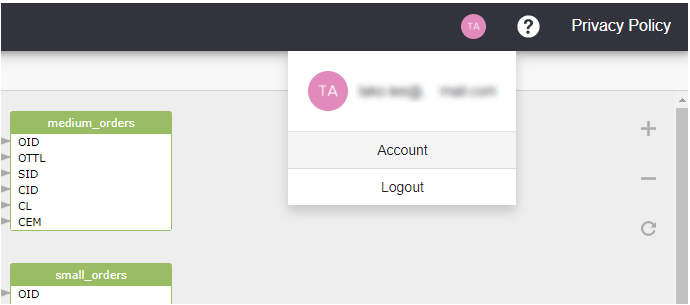
クリック アカウント メニュー項目、次に 生成 新しい秘密鍵を作成するためのボタン。
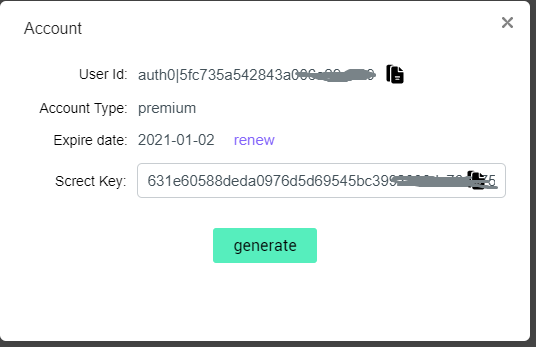
ユーザーIDと秘密鍵を使用して、REST APIの手順に従ってください。 github.com/sqlparser/sqlflow_public/tree/master/api.
ログインできないのはなぜですか?
ログインを妨げる一般的な要因は次の2つです。
1. アカウントが有効化されていません。 登録すると、アカウントを有効化するよう求めるメールが届きます。そのリンクをクリックする前にログインしようとすると、ログインフォームに次のメッセージが表示されます。
code:unauthorized, description:ログイン前にメールアドレスを確認してください。
アクティベーションメールのリンクをクリックしてから、 https://sqlflow.gudusoft.com 再度ログインします。
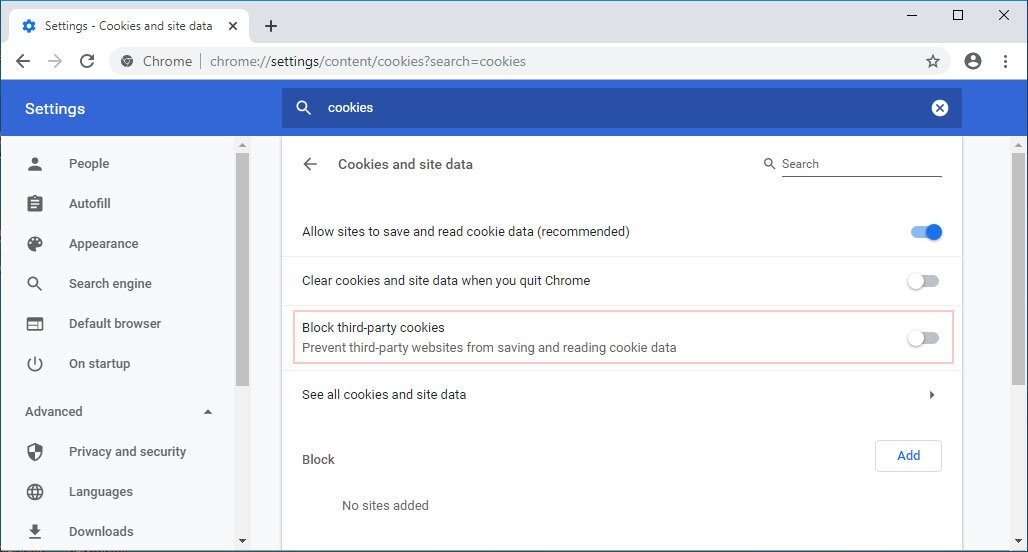
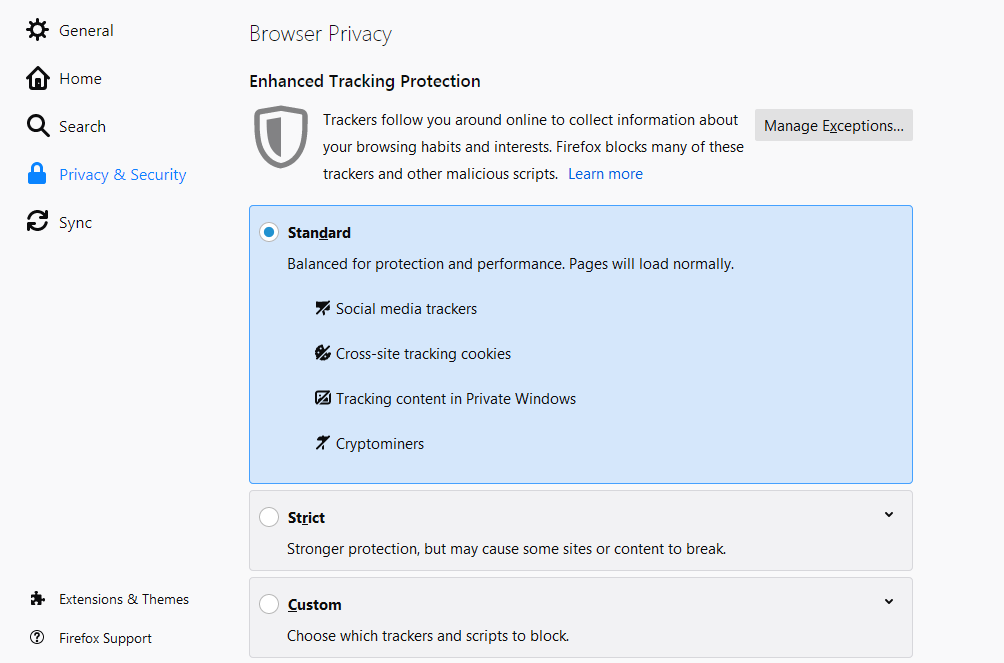
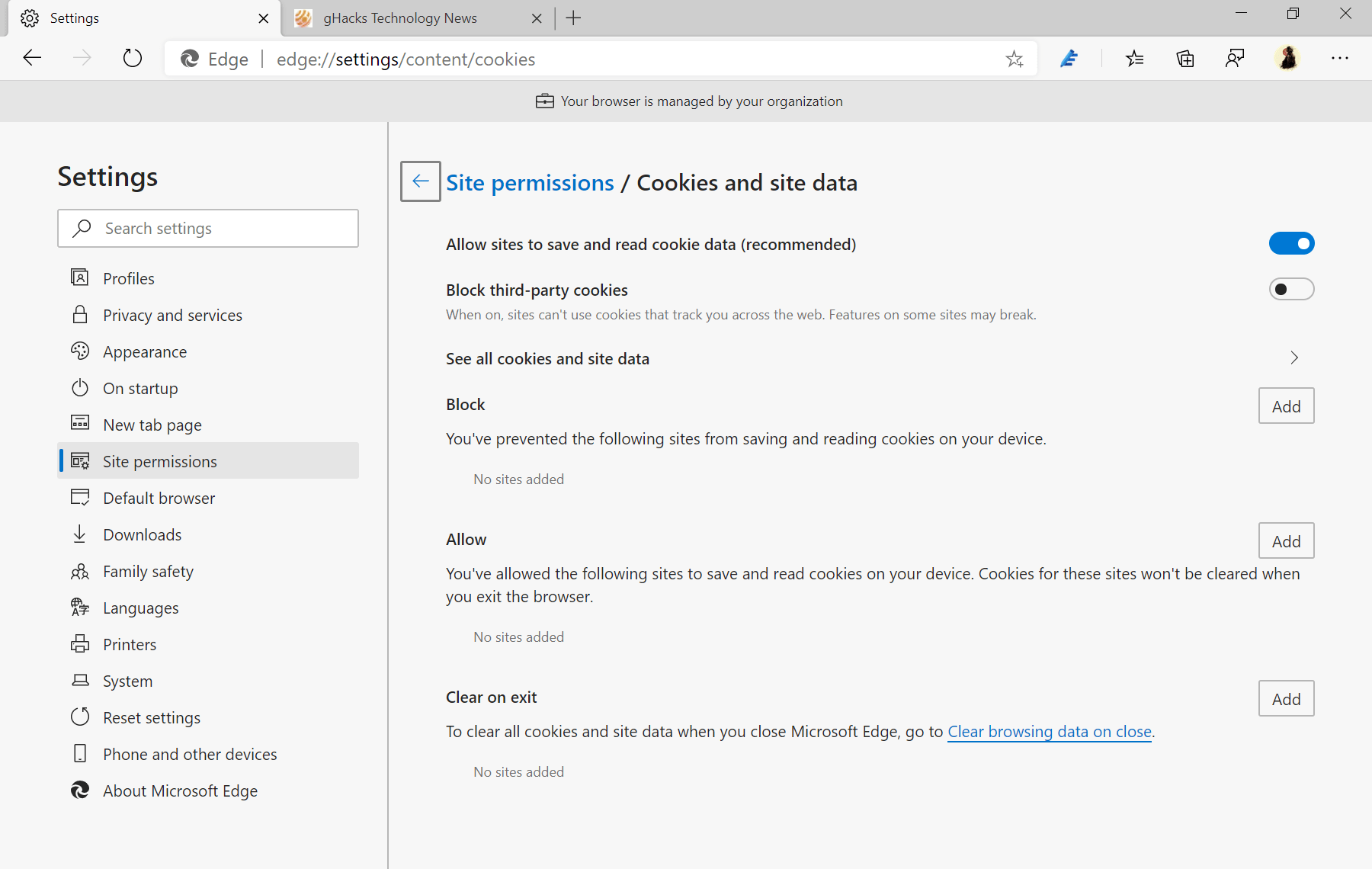
2. お使いのブラウザがサードパーティCookieをブロックしています。 その場合、以下のいずれかのエラーが表示されます。
不明または無効なログイン チケット

確認ページを構成できません

この問題を解決するには、ブラウザの「サードパーティCookieをブロックする」設定を無効にしてください。
クロム
ファイアフォックス
Microsoft Edge
まだ質問がありますか?
SQLFlowをご自身のSQLで無料でお試しいただくか、お問い合わせいただければ、適用範囲の決定をお手伝いいたします。